
Croton-oil plant PRODUCT NAME
Croton tiglium L. SCIENTIFIC NAME
| Common Name: | Croton-oil plant |
| Local Name: | Gasi (Zambales); Kamaisa (Rizal, Mindoro); Kamausa (Bulacan); Kasla (Balabac Is.); Makasla (Busuanga Is.); Malapi (Basilan); Marachuite (Ilocos Sur); Saligau (Union, Benguet, Cagayan); Tuba (Negros, Camarines, Sorsogon, Samar, Cagayan, Marindoque, Leyte, Rizal, Mindoro, Tayabas); Tubang –makisa (Tayabas, Camarines); Tuba-tuba (Negros, Camarines); Tubli (Lanao). |
| Family: | Euphorbiaceae |
| Other Species of Same Genera: | |
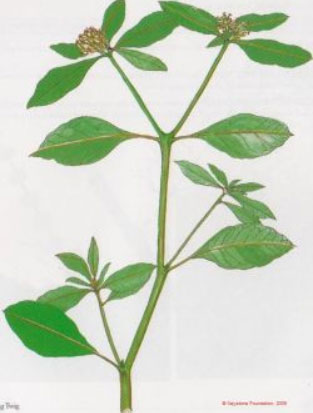
| Product Description: | A shrub or very small tree. The leaves are alternate, usually somewhat rounded at the base, pointed at the tip, with toothed margins, and from 7-12cm in length. The flowers are small and inconspicuous. The seeds are borne in capsules which are usually three-angled and from 1.5-2cm in length |
| NTFP Classification: | Exudates and extracts, Medicinal, aromatics and cosmetics |
DISTRIBUTION
| Countries Found: | Philippines |
| Description: | This species is found wild in the Philippines from northern Luzon to southern Mindanao. It is also cultivated to a limited extent |
USES AND PARTS USED
| Parts Used: | fruits seeds |
| Uses: | The fruits or crushed leaves are used in poisoning fishes The seeds yield oil of commerce, which is used chiefly in pharmaceutical preparations |
| Origin: | |
| Management Practices: | |
| Market Information: | |
| Partners: | Bureau of Forestry, Philippines |
PARTNERS INVOLVED IN ACTIVITIES CONCERNING THIS NTFP
| Duration: | |
| Activity: | |
| External Links: |

