
Ipil PRODUCT NAME
Intsia bijuga (Colebr.) O. Ktze. SCIENTIFIC NAME
| Common Name: | Ipil |
| Local Name: | Ipil (Cagayan, Zambales, Tayabas, Camarines, Sorsogon, Mindoro, Palawan, Bancalan Is., Ticao Is., Samar, Leyte, Masbate, Sibuyan, Capiz, Negros, Guimaras Is., Agusan, Misamis, Lanao, Zamboanga, Cotabato, Basilan); Itil (Cotabato); Mulato (Surigao). |
| Family: | Fabaceae / Caesalpiniaceae |
| Other Species of Same Genera: | |
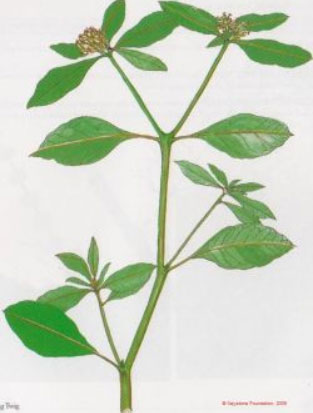
| Product Description: | a tree reaching a height of from 30-45m and a diameter of 150-180 centimeters. The bole is usually without buttresses and sometimes straight and regular, although more often crooked and deformed. A clear length of 15-18m is exceptional. The bark is 5-8mm thick and gray with an orange tinge. Where the bark is shade, shallow saucer-like depressions are left. These usually show a tan-gray color until exposed for some time. The inner bark is light brown and mottled with brown specks. The leaves are alternate and simply compound with usually 2 pairs of leaflets, which are 8-12cm long and from 5-8.5cm wide. The flowers are white and reddish, fragrant, and borne in conspicuous clusters. The pods are 15 or more centimeter in length |
| NTFP Classification: | Crafts and furniture making, Other commercial and industrial uses |
DISTRIBUTION
| Countries Found: | Philippines |
| Description: | This species is found scattered along the coast and occasionally on low hills, and is common and widely distributed from Luzon to Mindanao |
USES AND PARTS USED
| Parts Used: | trunk resin |
| Uses: | The wood of this tree is valuable for making furniture The sap of fresh ipil makes indelible brown stains on white paper or cloth |
| Origin: | |
| Management Practices: | |
| Market Information: | |
| Partners: | Bureau of Forestry, Philippines |
PARTNERS INVOLVED IN ACTIVITIES CONCERNING THIS NTFP
| Duration: | |
| Activity: | |
| External Links: |

