
Ilang-ilang PRODUCT NAME
Canangium odoratum (Lam.) Baill. SCIENTIFIC NAME
| Common Name: | Ilang-ilang |
| Local Name: | Alangigan (Ilocos Norte, Ilocos Sur, Abra, Lepanto); Alangilan (Mindoro); Anangilan (Surigao); Anangiran (Manobo); Burak (Leyte); Ilang-ilang (Ilocos Sur, Zambales, Tayabas, Bataan, Rizal, Manila, Laguna, Mindoro, Balabac Is., Masbate, Guimaras Is., Ticao Is., Davao, Surigao); Tangid, Tangit (Camarines, Albay, Sorsogon). |
| Family: | Annonaceae |
| Other Species of Same Genera: | |
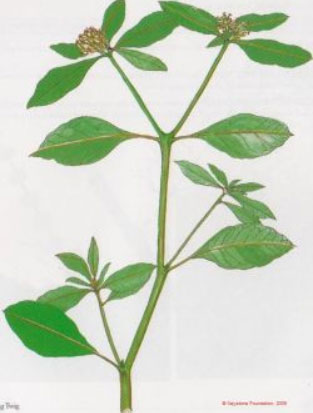
| Product Description: | A medium-sized to rather large tree, with somewhat drooping branches. The leaves are alternate, 12-20cm long, pointed at the apex, and usually rounded at the base. The flowers are very fragrant, greenish, soon turning yellowish, pendulous. The pedicels are hairy. The petals are hairy, narrow, pointed, 4-6cm long and 0.5-1cm wide |
| NTFP Classification: | Exudates and extracts, Ornamental plants, Other commercial and industrial uses |
DISTRIBUTION
| Countries Found: | Philippines |
| Description: | This species is a native of the Philippines and is found throughout the Archipelago both cultivated and wild. It occurs at elevations of at least 700 meters. It is very commonly cultivated in Manila and flowers throughout the year |
USES AND PARTS USED
| Parts Used: | flowers |
| Uses: | Ilang-ilang oil from the flowers is extensively used in the perfumery industry. It is employed in the preparation of high grade perfumes such as lily of the valley, corylopsis, etc. |
| Origin: | |
| Management Practices: | |
| Market Information: | |
| Partners: | Bureau of Forestry, Philippines |
PARTNERS INVOLVED IN ACTIVITIES CONCERNING THIS NTFP
| Duration: | |
| Activity: | |
| External Links: |

