
Malakmalak PRODUCT NAME
Palaquium philippense C. B. Rob. SCIENTIFIC NAME
| Common Name: | Malakmalak |
| Local Name: | Agas, Alaka, Manimparog (Mindoro) Alakaak (Cavite, Rizal, Batangas, Laguna, Bataan, Tayabas, Mindoro, Pampanga); Apaka-paka, Bitok (Isabela); Araka (Cagayan); Baniti (Bataan); Dulitan-takloban, Malaputat (Tayabas); Malakmalak (Zambales); Malasaputi (Pampanga); Manogtalisai (Cagayan); Nato-pula (Albay); Palkaran, Palak-palak (Bataan, Pangasinan, Pampanga, Bulacan, Tarlac, Zambales). |
| Family: | Sapotaceae |
| Other Species of Same Genera: | |
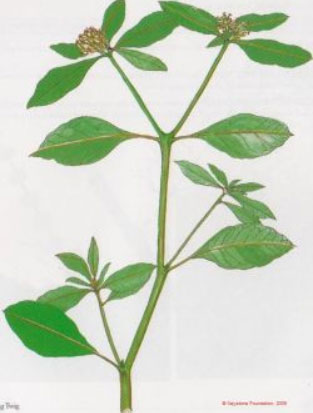
| Product Description: | A tree reaching a height of about 25m and a diameter of about 80 centimeters. The leaves are usually 16cm or more in length. The lower surfaces are very striking, being velvety and russet colored. The flowers are about 1.5cm in length, and borne on long stalks in small clusters. The corolla is white, the calyx brown and velvety. The fruit is oval, about 3-4cm or more in length, contains a single seed. |
| NTFP Classification: | Exudates and extracts, Food and food ingredients (plant-derived) |
DISTRIBUTION
| Countries Found: | Philippines |
| Description: | This species is very common and widely distributed from northern Luzon to southern Mindanao. It is cultivated only at the Lamao Experiment Station |
USES AND PARTS USED
| Parts Used: | fruits |
| Uses: | The fruit is edible |
| Origin: | |
| Management Practices: | |
| Market Information: | |
| Partners: | Bureau of Forestry, Philippines |
PARTNERS INVOLVED IN ACTIVITIES CONCERNING THIS NTFP
| Duration: | |
| Activity: | |
| External Links: |

