
Pili PRODUCT NAME
Canarium luzonicum (B.) A. Gray. SCIENTIFIC NAME
| Common Name: | Pili |
| Local Name: | Alangki (Union); Anteng (Cagayan, Abra, Isabela); Bakoog (Ilocos Sur); Bulau (Pangasinan); Malapili (Camarines); Pagasaingin, Pagashingin (Rizal, Bataan); Palsahingin (Laguna, Bataan); Pili (Tayabas, Masbate, Laguna, Mindoro, Rizal, Marindoque, Tarlac, Bataan, Albay, Sorsogon); Pisa (Cavite); Sahing (Bataan); Tugtugin (Tayabas). |
| Family: | Burseraceae |
| Other Species of Same Genera: | |
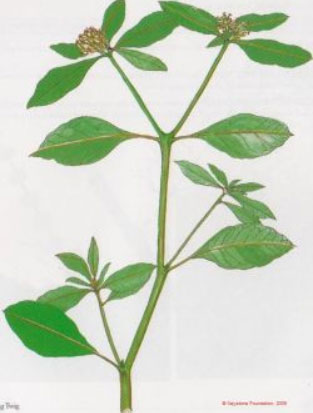
| Product Description: | A tree reaching a height of about 35m and a diameter of 1m or more. The leaves are pinnate, with usually 3 pairs of opposite leaflets and a terminal leaflet. The leaflets are smooth, pointed at the apex, rounded or obtusely pointed at the base, and from 12-20cm in length. The flowers are fairly small and borne on large compound inflorescences. The fruits are somewhat oval in shape, about 3cm long, and contain a thick-shelled, triangular, edible nut. |
| NTFP Classification: | Exudates and extracts, Food and food ingredients (plant-derived) |
DISTRIBUTION
| Countries Found: | Philippines |
| Description: | This species is very abundant in the forests of Luzon and is also found in Marindoque, Ticao, Mindoro, and Masbate |
USES AND PARTS USED
| Parts Used: | seeds, resin |
| Uses: | The seed is edible Resin is used locally as a varnish, for caulking boats, and for torches |
| Origin: | |
| Management Practices: | |
| Market Information: | (Other) Manila elemi is exported from the Philippines in considerable quantities |
| Partners: | Bureau of Forestry, Philippines |
PARTNERS INVOLVED IN ACTIVITIES CONCERNING THIS NTFP
| Duration: | |
| Activity: | |
| External Links: |

