
Pili PRODUCT NAME
Canarum ovatum Engl. SCIENTIFIC NAME
| Common Name: | Pili |
| Local Name: | Ananggi (Sorsogon); Basiad, Liputi, Pilauai (Tayabas); Pilaui (Polillo); Pili (Tayabas, Polillo, Camarines, Sorsogon, Samar, Surigao). |
| Family: | Burseraceae |
| Other Species of Same Genera: | |
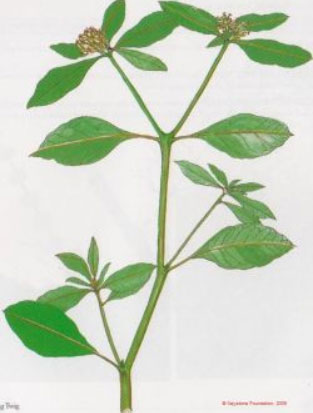
| Product Description: | A tree reaching a height of about 20m and a diameter of about 40 centimeters. The leaves are alternate and compound with opposite leaflets, which are smooth, rounded at the base, pointed at the tip, and from 10-20cm in length. The flowers are greenish, fragrant, and about a centimeter long. The fruits are 6-7cm in length and consist of hard, thick-shelled, triangular nuts surrounded by a small amount of pulp. |
| NTFP Classification: | Food and food ingredients (plant-derived) |
DISTRIBUTION
| Countries Found: | Philippines |
| Description: | This species is very abundant in southern Luzon |
USES AND PARTS USED
| Parts Used: | seeds, other |
| Uses: | The nuts are very rich in oil, and when roasted have a delicious flavor. It is also used considerably in making confections. The roasted kernels are used to adulterate The pulp, which is edible when cooked, also contains and oil which is occasionally extracted locally and used for lighting and in cooking |
| Origin: | |
| Management Practices: | |
| Market Information: | |
| Partners: | Bureau of Forestry, Philippines |
PARTNERS INVOLVED IN ACTIVITIES CONCERNING THIS NTFP
| Duration: | |
| Activity: | |
| External Links: |

