
Pitogo PRODUCT NAME
Cycas rumphii Mig. SCIENTIFIC NAME
| Common Name: | Pitogo |
| Local Name: | Tawi-Tawi – Bait; Basilan-Bayit; Zambales, Bataan, Laguna, Tayubas, Cavite, Camarines, Mindoro-Oliva; Tayabas, Negros Occidental-Pitogo; Cagyan-Sauang |
| Family: | Cycadacea |
| Other Species of Same Genera: | |
| Product Description: | It is has a stout stem which reaches a height of 12m and a diameter of 50cm, although it is usually much smaller than this. The leaves are produced in a cluster at the top of the trunk, are pinnate, and from 0.5 to 1.5m |
| NTFP Classification: | Medicinal, aromatics and cosmetics, Food and food ingredients (plant-derived) |
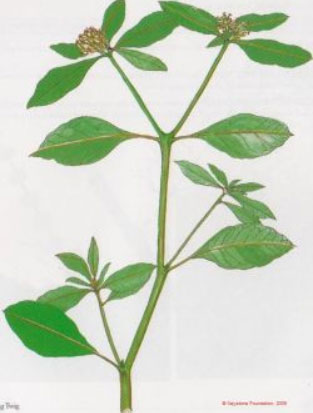
DISTRIBUTION
| Countries Found: | Philippines |
| Description: | This species is widely distributed in the Philippines, but is nowhere abundant except in small areas. It is of local occurrence and is generally found near the seashore. It is decidedly ornamental, and in Manila is planted to a considerable extent for decorative purpose |
USES AND PARTS USED
| Parts Used: | leaves, leaflets |
| Uses: | Young leaves, when about 30 -40cm long and still rolled up, are cooked and eaten as a vegetable. The leaves are also used extensively in religious ceremonies |
| Origin: | |
| Management Practices: | In times of famine, the ripe seeds of this plant are prepared as food in some of the isolated parts of the Philippines. Such as the Batanes Islands. In Guam, according to Safford*, Cycas seeds are a staple article of food in times when better foods are scare. |
| Market Information: | |
| Partners: | Bureau of Forestry, Philippines |
PARTNERS INVOLVED IN ACTIVITIES CONCERNING THIS NTFP
| Duration: | |
| Activity: | |
| External Links: |

