
Ramie or China grass PRODUCT NAME
Boehmeria nivera Gaudich. SCIENTIFIC NAME
| Common Name: | Ramie or China grass |
| Local Name: | Lipang-aso (Manila). |
| Family: | Urticaceae |
| Other Species of Same Genera: | |
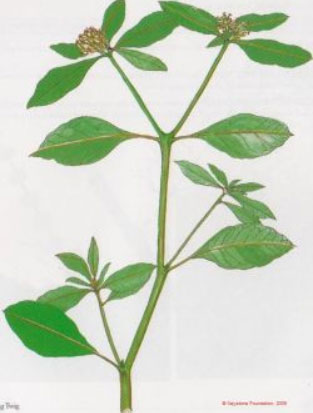
| Product Description: | A hairy shrub reaching a height of about 2 meters. The leaves are alternate, pointed at the tip, abruptly pointed at the base, have toothed margins, and are from 7-16cm in length. The flowers are small. |
| NTFP Classification: | Crafts and furniture making |
DISTRIBUTION
| Countries Found: | Philippines |
| Description: | This species is quite extensively cultivated in the mountain region of northern Luzon, particularly by the non-Christian tribes. In Ifugao and neighbouring sub provinces nearly every family cultivates a small amount. It is occasionally cultivated in central Luzon, where it value as a fiber plant is not appreciated, and it is also occurs in the Batanes Islands. |
USES AND PARTS USED
| Parts Used: | other |
| Uses: | In the Philippines the fiber is used in making strings, blankets, and cloth. |
| Origin: | |
| Management Practices: | |
| Market Information: | Ramie is a well-known fiber. It is extensively cultivated in China, and has also been grown in other countries. The fiber is white, lustrous, and very strong and durable. It is woven into very fine and beautiful fabrics. The fiber lacks the elasticity of wool and silk and the flexibility of cotton. Cloth made form it is therefore rather harsh. |
| Partners: | Bureau of Forestry, Philippines |
PARTNERS INVOLVED IN ACTIVITIES CONCERNING THIS NTFP
| Duration: | |
| Activity: | |
| External Links: |

